Dementia is one of the most common conditions affecting older adults around the world. As families begin to face the challenges of memory loss, confusion, and behavioral changes, the need for proper care becomes more important than ever.
Providing care for someone with dementia is not only about medical support—it is about understanding, patience, and creating a safe and loving environment. Many families choose professional care services, such as a dementia care center, to ensure their loved ones receive the best possible support.
This guide will help you understand dementia care in simple terms, including practical tips, emotional support, and daily care strategies that truly make a difference.
What is Dementia?
Understanding the Condition
Dementia is not a single disease. It is a general term used to describe a decline in memory, thinking, and social abilities that interfere with daily life.
Common types of dementia include:
- * Alzheimer’s disease
- * Vascular dementia
- * Lewy body dementia
People with dementia may experience:
- * Memory loss
- * Difficulty communicating
- * Confusion about time or place
- * Changes in mood or behavior
Why Dementia Care is Important
Caring for someone with dementia requires more than basic caregiving. Without proper support, patients may face:
- * Increased risk of injury
- * Emotional distress
- * Rapid decline in health
Good dementia care helps:
- * Maintain dignity and independence
- * Improve quality of life
- * Reduce stress for both patients and families
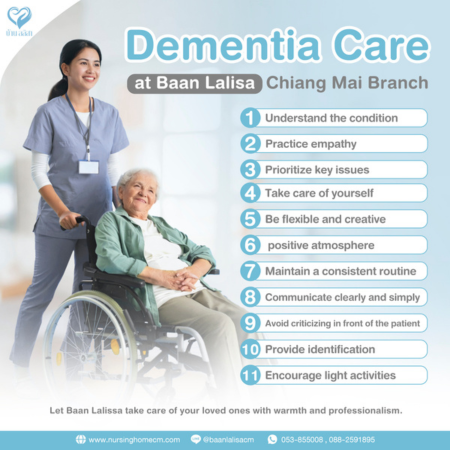
11 Essential Principles of Dementia Care
Below are the key principles inspired by professional dementia care practices:
1. Understand the Condition
Understanding dementia is the first and most important step.
Caregivers should learn:
- * How dementia affects the brain
- * Why behaviors change
- * What to expect over time
When you understand the condition, you respond with patience instead of frustration.
2. Practice Empathy
Empathy means putting yourself in the patient’s position.
Instead of correcting or arguing, try to:
- * Listen carefully
- * Validate their feelings
- * Stay calm and kind
For example, if a patient feels confused, reassure them instead of saying they are wrong.
3. Prioritize Key Issues
Not everything needs to be corrected.
Focus on:
- * Safety
- * Comfort
- * Emotional well-being
Small mistakes, like forgetting names or repeating questions, are part of dementia and should not be stressed.
4. Take Care of Yourself
Caregivers often forget their own needs.
But self-care is essential:
- * Rest regularly
- * Ask for help
- * Take breaks
When caregivers are healthy, they provide better care.
5. Be Flexible and Creative
Dementia care requires adaptability.
Sometimes plans change, and that is okay.
Try:
- * Different ways of communication
- * New activities
- * Adjusting routines when needed
Flexibility reduces stress for both caregiver and patient.
6. Create a Positive Atmosphere
Environment plays a big role in dementia care.
A calm and friendly atmosphere helps patients feel safe.
You can:
- * Use soft lighting
- * Play relaxing music
- * Keep surroundings clean and organized
7. Maintain a Consistent Routine
Routine gives patients a sense of stability.
Daily schedules should include:
- * Meals at the same time
- * Regular sleep patterns
- * Planned activities
Consistency reduces confusion and anxiety.
8. Communicate Clearly and Simply
Communication should be:
- * Short
- * Clear
- * Easy to understand
Tips:
- * Use simple words
- * Speak slowly
- * Maintain eye contact
Avoid long or complicated explanations.
9. Avoid Criticizing in Front of the Patient
Criticism can hurt emotional well-being.
Never:
- * Argue
- * Blame
- * Correct harshly
Instead:
- * Redirect attention
- * Use positive language
10. Provide Identification
Patients with dementia may wander or get lost.
It is important to:
- * Provide ID bracelets
- * Keep contact information available
- * Ensure supervision
This helps ensure safety at all times.
11. Encourage Light Activities
Activities help maintain physical and mental health.
Examples include:
- * Walking
- * Simple exercises
- * Art or music
- * Light household tasks
Activities should be enjoyable, not stressful.
Benefits of Professional Dementia Care Centers
Many families choose professional care services because they offer:
24/7 Supervision
Patients are always monitored for safety.
Trained Caregivers
Staff understand dementia behavior and proper care techniques.
Structured Programs
Daily routines and activities are designed specifically for dementia patients.
Medical Support
Access to nurses and healthcare professionals.
How to Choose the Right Dementia Care Center
When selecting a care center, consider:
1. Clean and Safe Environment
Look for cleanliness, safety measures, and comfort.
2. Experienced Staff
Caregivers should be trained in dementia care.
3. Personalized Care Plans
Each patient should receive individual attention.
4. Positive Reviews
Check feedback from other families.
5. Activities and Programs
Ensure there are engaging daily activities.
Daily Life in a Dementia Care Center
A typical day may include:
- Morning exercise
- Healthy meals
- Social activities
- Rest periods
- Therapy sessions
This structured routine helps patients feel secure and supported.
Challenges in Dementia Care
Caregivers may face:
- Emotional stress
- Physical fatigue
- Communication difficulties
However, with proper support and knowledge, these challenges can be managed effectively.
The Future of Dementia Care
Dementia care continues to improve with:
- Advanced healthcare technology
- Better caregiver training
- Personalized treatment approaches
The focus is shifting toward improving quality of life, not just managing symptoms.
Conclusion
Dementia care is about more than just medical treatment—it is about compassion, understanding, and dignity.
By following the 11 key principles and choosing the right care support, families can ensure their loved ones live safely, comfortably, and with happiness.
Whether at home or in a professional care center, the goal remains the same: to provide care with warmth, respect, and professionalism.