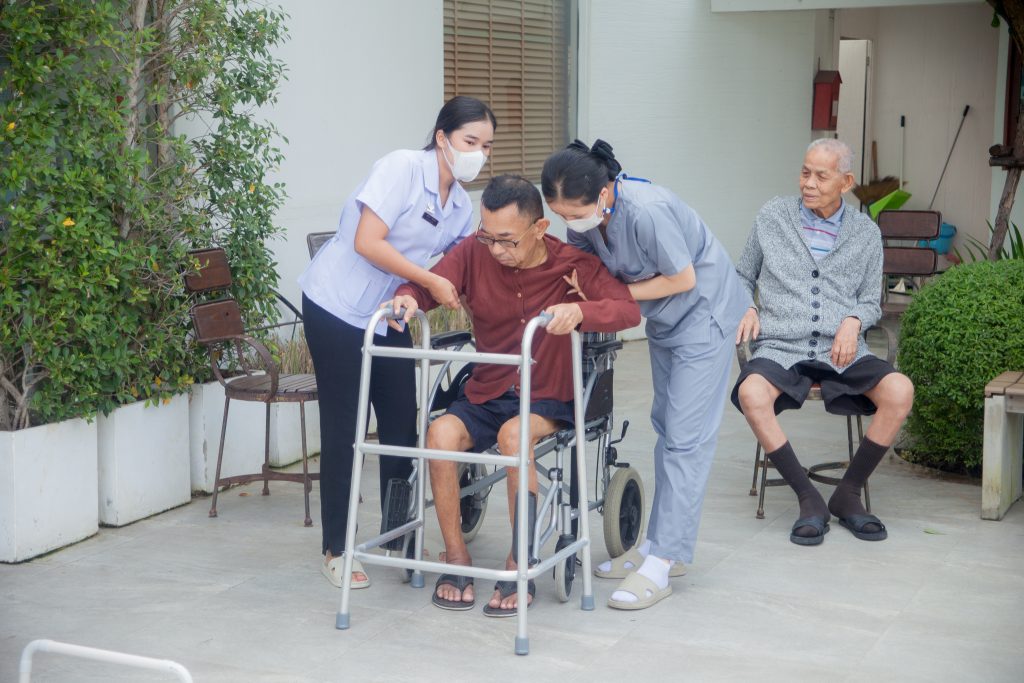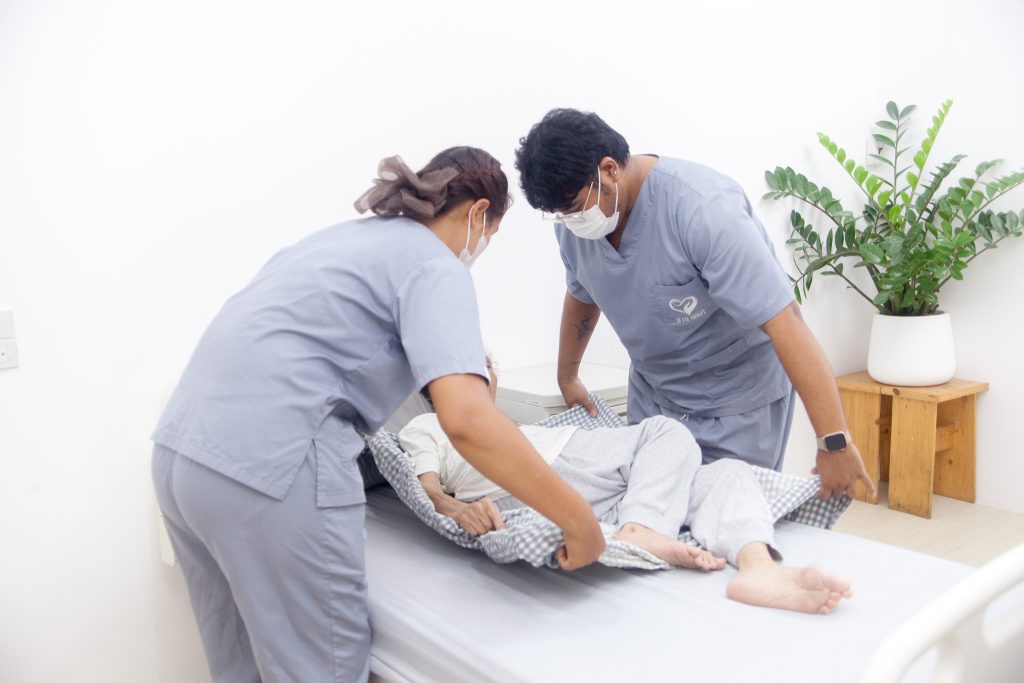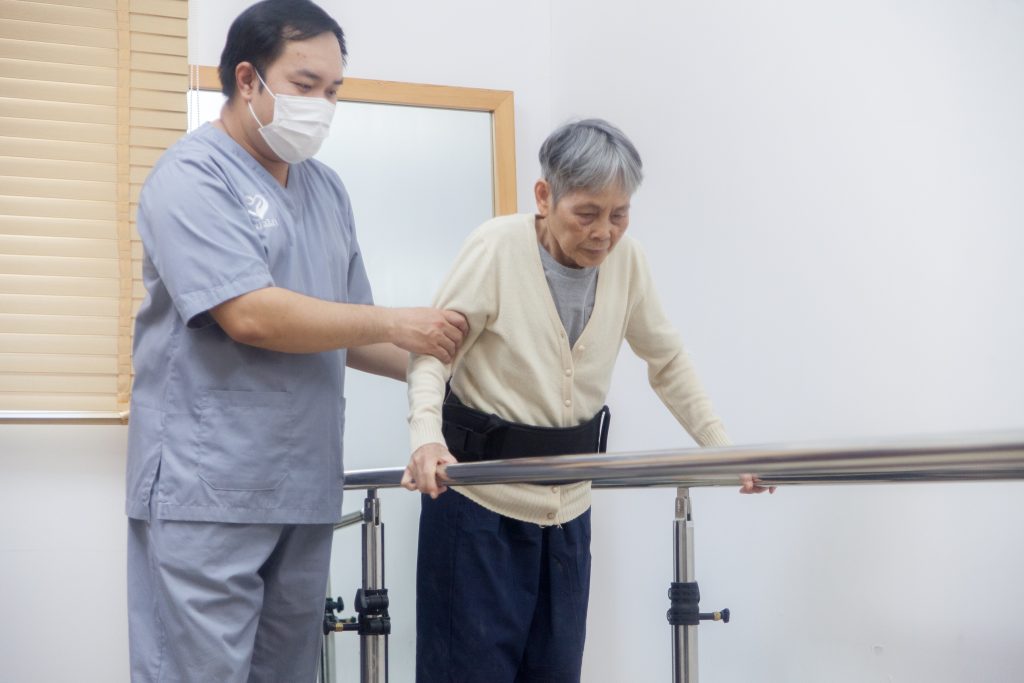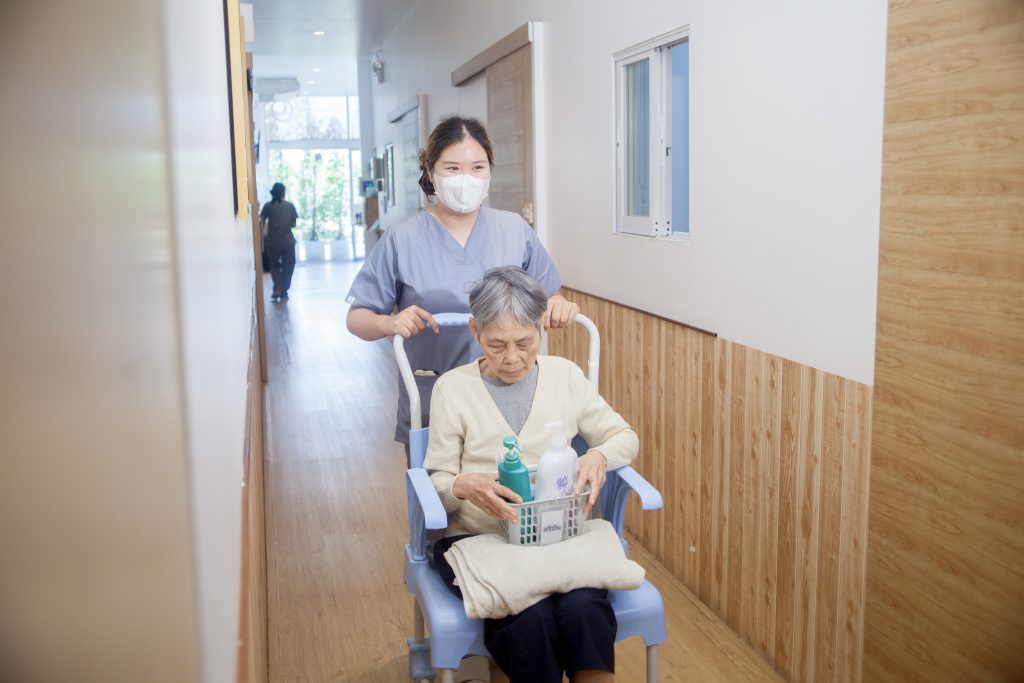
เมื่อสมาชิกคนหนึ่งในครอบครัวก้าวเข้าสู่วัยสูงอายุ สิ่งที่เปลี่ยนแปลงไม่ได้มีเพียงสุขภาพร่างกายของผู้สูงอายุเท่านั้น แต่ยังส่งผลต่อชีวิตของลูกหลาน คู่สมรส ผู้ดูแล รวมถึงบรรยากาศและความสัมพันธ์ภายในครอบครัวอย่างหลีกเลี่ยงไม่ได้
ในช่วงแรก หลายครอบครัวอาจคิดว่า “ดูแลผู้สูงอายุเองที่บ้านก็น่าจะเพียงพอ” เพราะต้องการให้คนที่รักได้อยู่ใกล้ชิดครอบครัว แต่เมื่อเวลาผ่านไป ความต้องการในการดูแลอาจเพิ่มขึ้น ตั้งแต่การช่วยเหลือกิจวัตรประจำวัน การจัดอาหาร การดูแลเรื่องยา การพาไปพบแพทย์ ไปจนถึงการดูแลผู้สูงอายุที่มีภาวะหลงลืม ภาวะสมองเสื่อม หรือมีข้อจำกัดด้านการเคลื่อนไหว
สิ่งเหล่านี้อาจกลายเป็นภาระที่สมาชิกครอบครัวคนใดคนหนึ่งต้องรับผิดชอบมากกว่าคนอื่นโดยไม่รู้ตัว
ดังนั้น “การดูแลผู้สูงอายุ” จึงไม่ใช่เรื่องของผู้สูงอายุเพียงคนเดียว แต่เป็นเรื่องของ ทั้งครอบครัว
การเลือก ศูนย์ดูแลผู้สูงอายุ ที่มีระบบการดูแลเหมาะสม จึงเป็นอีกทางเลือกที่ช่วยให้ครอบครัวสามารถจัดสมดุลระหว่างการดูแลคนที่รักกับการดำเนินชีวิตประจำวันได้อย่างเหมาะสมมากขึ้น โดยเฉพาะครอบครัวที่สมาชิกต้องทำงาน มีภาระทางบ้าน หรือไม่สามารถดูแลผู้สูงอายุได้ตลอด 24 ชั่วโมง

- การดูแลผู้สูงอายุ ส่งผลต่อทั้งครอบครัวอย่างไร?
การดูแลผู้สูงอายุเป็นภารกิจที่ต้องใช้ทั้งเวลา ความรู้ ความอดทน และการวางแผน โดยเฉพาะเมื่อผู้สูงอายุมีข้อจำกัดทางร่างกายหรือความจำ ผลกระทบสามารถเกิดขึ้นได้ทั้งด้านอารมณ์ เวลา ค่าใช้จ่าย การทำงาน และความสัมพันธ์ในครอบครัว
- ปัญหาที่ครอบครัวมักพบเมื่อดูแลผู้สูงอายุด้วยตนเอง
หลายครอบครัวพบว่าการดูแลผู้สูงอายุใช้เวลามากกว่าที่คาด ผู้ดูแลหลักอาจต้องทำงานประจำ ดูแลงานบ้าน เลี้ยงบุตร พาไปพบแพทย์ และจัดการเรื่องอาหารหรือยาไปพร้อมกัน หากไม่มีการแบ่งหน้าที่หรือระบบสนับสนุนที่เหมาะสม อาจเกิดความเหนื่อยล้าและความเครียดสะสมได้
การดูแลผู้สูงอายุด้วยตัวเองเป็นเรื่องที่เกิดจากความรักและความตั้งใจของครอบครัว แต่เมื่อการดูแลต้องทำต่อเนื่องทุกวัน ภาระที่เกิดขึ้นอาจมากกว่าที่คาดคิด และส่งผลต่อสมาชิกทุกคนในบ้าน
1. ไม่มีเวลาดูแลผู้สูงอายุอย่างเต็มที่
สมาชิกในครอบครัวยังต้องทำงาน ดูแลลูก ทำงานบ้าน และจัดการภาระส่วนตัว ทำให้ไม่สามารถอยู่ดูแลผู้สูงอายุได้ตลอด 24 ชั่วโมง
2. ผู้ดูแลเกิดความเครียดและเหนื่อยล้าสะสม
การต้องรับผิดชอบหลายอย่างพร้อมกัน อาจทำให้ผู้ดูแลไม่มีเวลาพักผ่อน รู้สึกกดดัน และเกิดความเครียดโดยไม่รู้ตัว
3. กังวลเรื่องสุขภาพและเหตุฉุกเฉิน
เมื่อผู้สูงอายุมีปัญหาสุขภาพหรือช่วยเหลือตัวเองได้น้อย ครอบครัวอาจกังวลว่า หากเกิดอุบัติเหตุหรือมีอาการผิดปกติในช่วงที่ไม่มีคนอยู่ จะรับมือไม่ทัน
4. ดูแลเรื่องยาและการรักษาได้ยาก
ผู้สูงอายุบางรายต้องรับประทานยาหลายชนิด มีนัดพบแพทย์ หรือจำเป็นต้องติดตามอาการอย่างต่อเนื่อง หากไม่มีระบบจัดการที่ดี อาจทำให้ครอบครัวรู้สึกยุ่งยากและกังวล
5. รับมือกับผู้สูงอายุที่มีภาวะหลงลืมได้ไม่ง่าย
ผู้สูงอายุที่มีปัญหาความจำหรือภาวะสมองเสื่อม อาจถามซ้ำ สับสน หลงทาง หรือมีอารมณ์เปลี่ยนแปลง ทำให้ผู้ดูแลต้องใช้ทั้งเวลาและความเข้าใจในการดูแล
6. ค่าใช้จ่ายในการดูแลเพิ่มขึ้นเรื่อย ๆ
นอกจากค่าอาหารและค่าใช้จ่ายทั่วไปแล้ว ยังอาจมีค่ารักษาพยาบาล อุปกรณ์ช่วยเหลือ ค่าเดินทาง และค่าใช้จ่ายอื่น ๆ ที่ครอบครัวต้องวางแผนในระยะยาว
7. สมาชิกในครอบครัวมีความคิดเห็นไม่ตรงกัน
บางคนอาจต้องการดูแลผู้สูงอายุที่บ้าน ขณะที่บางคนมองว่าควรมีผู้ดูแลหรือใช้บริการ ศูนย์ดูแลผู้สูงอายุ ความคิดเห็นที่แตกต่างกันอาจนำไปสู่ความขัดแย้งได้
8. ผู้สูงอายุอาจรู้สึกว่าตัวเองเป็นภาระ
เมื่อผู้สูงอายุต้องพึ่งพาลูกหลานมากขึ้น อาจเกิดความรู้สึกเกรงใจ รู้สึกผิด หรือคิดว่าตนเองกำลังสร้างภาระให้ครอบครัว
9. บ้านอาจไม่พร้อมสำหรับการดูแลผู้สูงอายุ
พื้นที่ต่างระดับ ห้องน้ำลื่น บันได หรือสิ่งของกีดขวาง อาจเพิ่มความเสี่ยงต่อการเกิดอุบัติเหตุ โดยเฉพาะผู้สูงอายุที่เดินไม่มั่นคง
10. ครอบครัวเริ่มเสียสมดุลระหว่าง “งาน–ชีวิต–การดูแล”
เมื่อการดูแลผู้สูงอายุกินเวลามากขึ้น สมาชิกครอบครัวอาจมีเวลาส่วนตัวน้อยลง ทำงานได้ไม่เต็มที่ หรือมีเวลาให้กับคู่ชีวิตและลูกลดลง
- การดูแลผู้สูงอายุไม่ได้หมายถึงการดูแลเฉพาะร่างกาย
การดูแลที่ดีควรดูแลผู้สูงอายุแบบองค์รวม ทั้งด้านร่างกาย จิตใจ และสังคม ไม่ว่าจะเป็นการรับประทานอาหาร การพักผ่อน สุขอนามัย การเคลื่อนไหว การพูดคุย การรับฟัง และการทำกิจกรรมที่เหมาะสม
- ผู้สูงอายุที่มีภาวะความจำเสื่อมต้องการการดูแลอย่างไร?
ผู้สูงอายุที่มีปัญหาด้านความจำอาจต้องการความสม่ำเสมอในกิจวัตร การสื่อสารที่เข้าใจง่าย และสภาพแวดล้อมที่ปลอดภัย ครอบครัวควรเข้าใจว่าพฤติกรรมบางอย่างอาจเกิดจากข้อจำกัดด้านความจำ ไม่ใช่ความตั้งใจสร้างปัญหา
- เมื่อไหร่ที่ครอบครัวควรพิจารณาใช้บริการศูนย์ดูแลผู้สูงอายุ?
ควรพิจารณาเมื่อสมาชิกครอบครัวไม่มีเวลาดูแลตลอดวัน ผู้สูงอายุต้องการความช่วยเหลือในชีวิตประจำวัน มีภาวะความจำบกพร่อง หรือผู้ดูแลหลักเริ่มมีความเหนื่อยล้าและส่งผลต่อการทำงานหรือชีวิตครอบครัว
- ศูนย์ดูแลผู้สูงอายุช่วยลดภาระของครอบครัวได้อย่างไร?
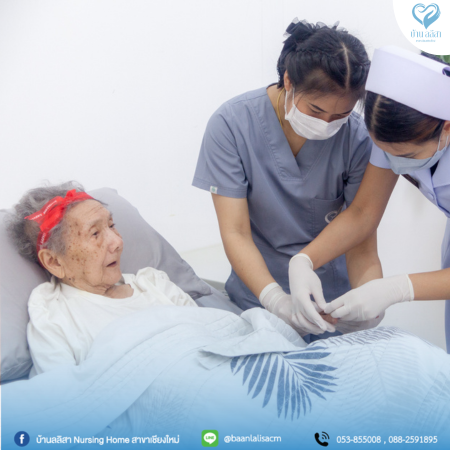
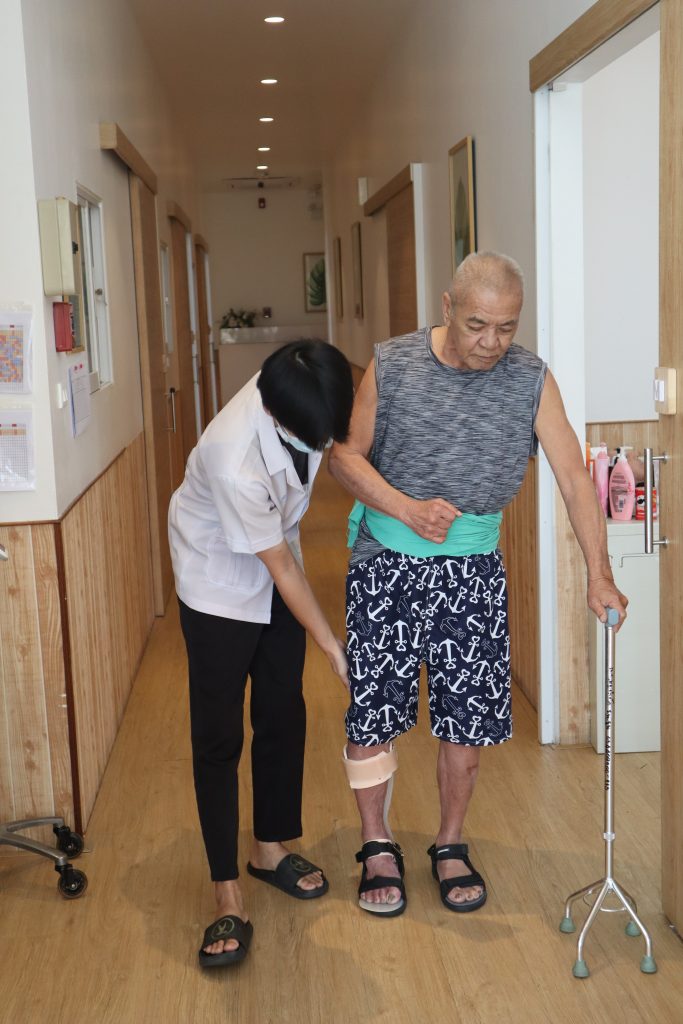
ศูนย์ดูแลผู้สูงอายุที่มีระบบเหมาะสมสามารถช่วยจัดกิจวัตรประจำวัน ดูแลในช่วงเวลาที่ครอบครัวไม่สะดวก และแบ่งเบาภาระผู้ดูแลหลัก ทำให้สมาชิกครอบครัวยังสามารถทำงานและใช้ชีวิตได้ พร้อมกลับมาใช้เวลาร่วมกับผู้สูงอายุอย่างมีคุณภาพ
- การเลือกศูนย์ดูแลผู้สูงอายุควรพิจารณาอะไรบ้าง?
ควรประเมินความต้องการของผู้สูงอายุก่อน แล้วพิจารณาความสะอาด ความปลอดภัย รูปแบบการดูแล จำนวนและท่าทีของบุคลากร ระบบสื่อสารกับครอบครัว และค่าใช้จ่ายทั้งหมด ไม่ควรตัดสินใจจากราคาเพียงอย่างเดียว
- ค่าใช้จ่ายในการดูแลผู้สูงอายุควรวางแผนอย่างไร?
ค่าใช้จ่ายอาจประกอบด้วยค่าที่พัก ค่าอาหาร ค่าดูแลกิจวัตรประจำวัน ค่าอุปกรณ์ ค่าเดินทาง และค่าใช้บริการเพิ่มเติม ครอบครัวควรสอบถามรายละเอียดให้ชัดเจนและเปรียบเทียบสิ่งที่ได้รับกับค่าใช้จ่ายในแต่ละศูนย์
- การดูแลผู้สูงอายุส่งผลต่อความสัมพันธ์ในครอบครัวอย่างไร?
สมาชิกครอบครัวอาจมีความคิดเห็นต่างกันเรื่องการดูแล บางคนอาจต้องการดูแลที่บ้าน ขณะที่บางคนเห็นว่าควรมีผู้ดูแลหรือใช้บริการศูนย์ สิ่งสำคัญคือการพูดคุยอย่างเปิดใจ แบ่งหน้าที่ให้ชัดเจน และยึดความต้องการของผู้สูงอายุเป็นหลัก
- ศูนย์ดูแลผู้สูงอายุไม่ได้แทนที่ครอบครัว
ศูนย์ดูแลสามารถเป็นผู้ช่วยของครอบครัว ไม่ใช่ผู้แทนครอบครัว ครอบครัวยังคงมีบทบาทสำคัญในการให้กำลังใจ เยี่ยมเยียน พูดคุย และร่วมตัดสินใจเกี่ยวกับผู้สูงอายุ
- การเยี่ยมผู้สูงอายุมีความสำคัญแม้อยู่ในศูนย์ดูแล
การพูดคุย รับประทานอาหารร่วมกัน ดูรูปถ่าย ฟังเพลง พาเดินเล่น หรือโทรศัพท์หากไม่สามารถมาเยี่ยมได้ ล้วนช่วยให้ผู้สูงอายุรู้สึกว่ายังคงเป็นส่วนหนึ่งของครอบครัว
- กิจกรรมสำหรับผู้สูงอายุสำคัญกว่าที่คิด
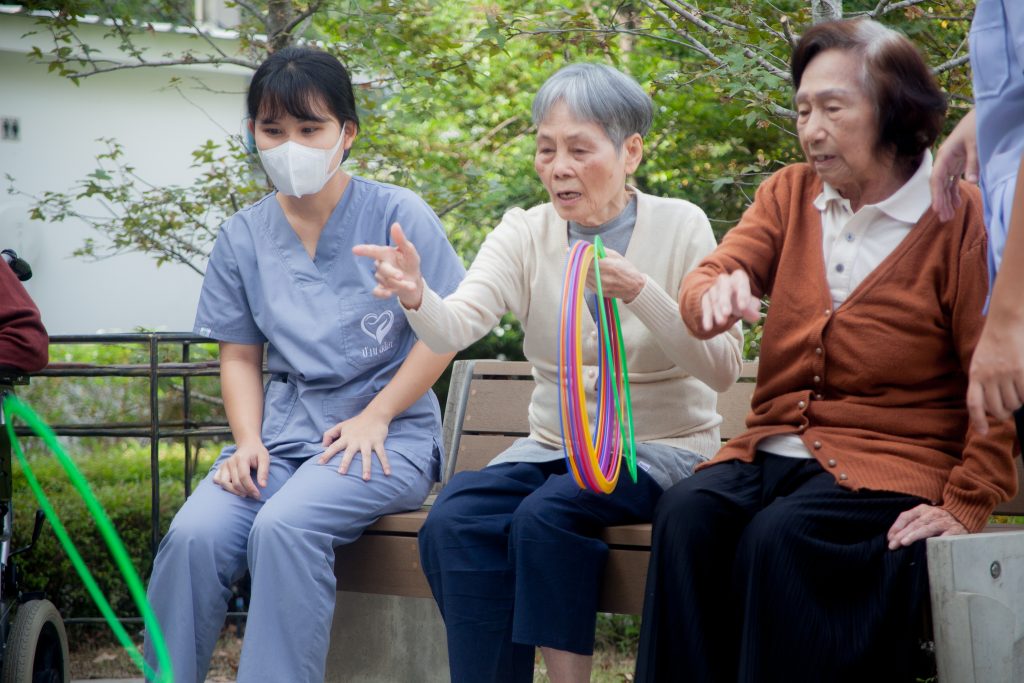
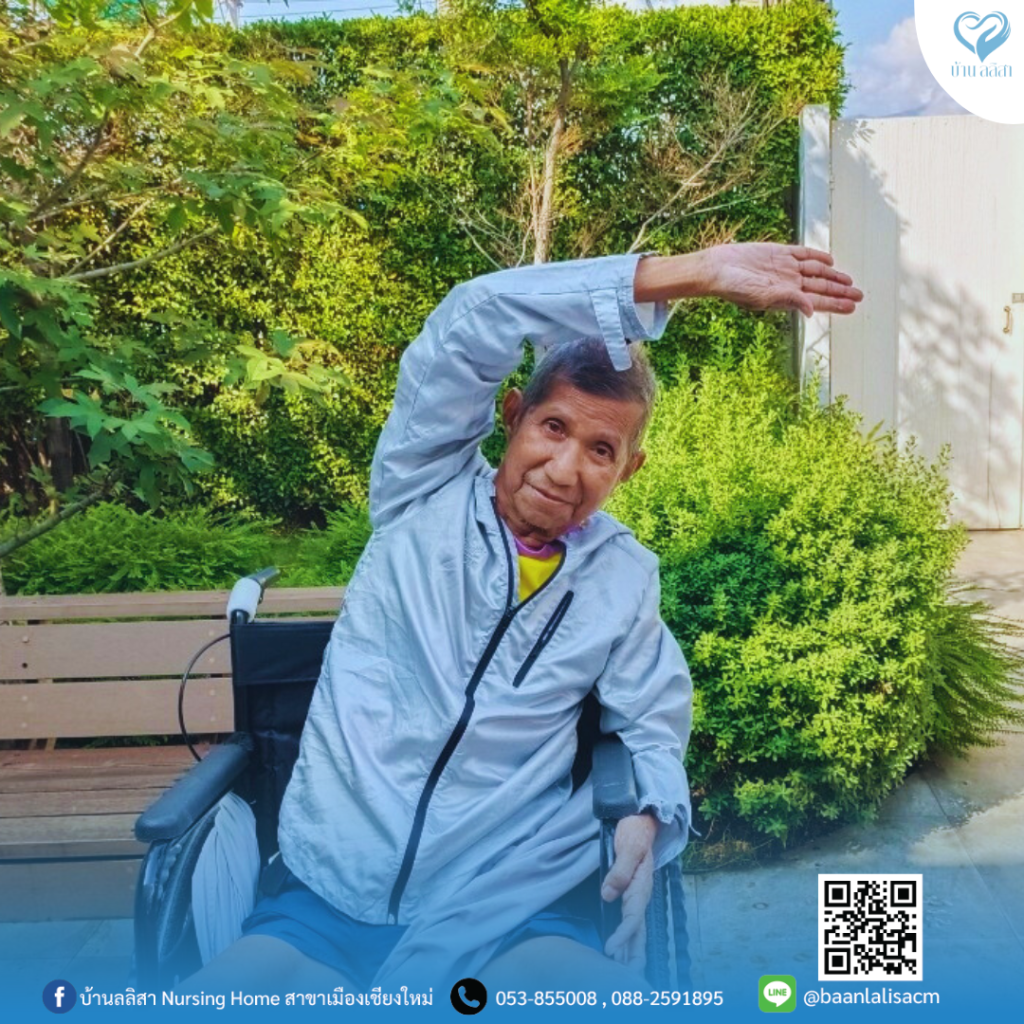
กิจกรรมที่เหมาะสมช่วยให้ผู้สูงอายุได้ใช้ความสามารถที่ยังมีอยู่และสร้างความสนุกในชีวิตประจำวัน เช่น สนทนาเรื่องราวในอดีต ดูภาพถ่าย ฟังเพลง ทำงานศิลปะ อ่านหนังสือ หรือเคลื่อนไหวร่างกายตามความเหมาะสม
- สิ่งที่ครอบครัวควรเตรียมก่อนพาผู้สูงอายุเข้าสู่ศูนย์ดูแล
ควรพูดคุยล่วงหน้า เตรียมของใช้ที่คุ้นเคย และแจ้งข้อมูลสำคัญเกี่ยวกับกิจวัตร อาหาร สิ่งที่ชอบและไม่ชอบ บุคลิก พฤติกรรมที่ควรระวัง และข้อมูลสุขภาพที่จำเป็นให้ผู้ดูแลทราบ
- ครอบครัวควรสังเกตอะไรหลังผู้สูงอายุเข้าศูนย์?
ควรติดตามอารมณ์ พฤติกรรม การรับประทานอาหาร การพักผ่อน การทำกิจกรรม และการปรับตัวของผู้สูงอายุ รวมถึงสื่อสารกับผู้ดูแลอย่างสม่ำเสมอ
- ศูนย์ดูแลผู้สูงอายุที่ดีควรให้ความสำคัญกับอะไร?
ศูนย์ที่ดีควรเคารพศักดิ์ศรีและความเป็นส่วนตัวของผู้สูงอายุ ให้ความสำคัญกับความปลอดภัย สื่อสารกับครอบครัว และปรับรูปแบบการดูแลให้สอดคล้องกับความแตกต่างของแต่ละบุคคล
- การวางแผนดูแลผู้สูงอายุล่วงหน้าช่วยครอบครัวได้อย่างไร?
การวางแผนล่วงหน้าช่วยให้ครอบครัวมีเวลาประเมินความต้องการ สำรวจศูนย์ เปรียบเทียบบริการ วางแผนค่าใช้จ่าย เตรียมข้อมูลสุขภาพ และกำหนดวิธีสื่อสารระหว่างครอบครัวกับผู้ดูแล
- การดูแลผู้สูงอายุคือการดูแลคุณภาพชีวิตของทั้งครอบครัว
คุณภาพชีวิตไม่ได้หมายถึงสุขภาพของผู้สูงอายุเพียงอย่างเดียว หากผู้สูงอายุได้รับการดูแลเหมาะสมและครอบครัวยังสามารถทำงาน พักผ่อน และมีเวลาอยู่ร่วมกันได้ ก็ถือเป็นระบบการดูแลที่สมดุล
- คำถามที่พบบ่อยเกี่ยวกับศูนย์ดูแลผู้สูงอายุ
ศูนย์ดูแลผู้สูงอายุเหมาะกับครอบครัวที่ต้องการผู้ช่วยในการดูแล โดยเฉพาะเมื่อสมาชิกไม่สามารถดูแลได้ตลอดเวลา ผู้สูงอายุที่มีข้อจำกัดด้านการใช้ชีวิตหรือความจำอาจต้องได้รับการประเมินเป็นรายบุคคล ครอบครัวควรสอบถามรูปแบบบริการ ค่าใช้จ่าย และระบบความปลอดภัยของแต่ละศูนย์ก่อนตัดสินใจ
- Checklist ก่อนเลือกศูนย์ดูแลผู้สูงอายุ
ควรประเมินความสามารถในการช่วยเหลือตัวเอง ปัญหาด้านความจำ การเคลื่อนไหว อาหาร และกิจวัตรของผู้สูงอายุ จากนั้นสอบถามบริการ บุคลากร ความปลอดภัย การสื่อสาร ค่าใช้จ่าย และเงื่อนไขต่าง ๆ ให้ครบถ้วน
- ทำไมการเลือกศูนย์ดูแลผู้สูงอายุจึงเป็นการตัดสินใจที่ต้องใช้ทั้งข้อมูลและความเข้าใจ
ไม่มีรูปแบบเดียวที่เหมาะกับทุกครอบครัว บางครอบครัวอาจเหมาะกับการดูแลที่บ้าน บางครอบครัวอาจใช้ผู้ดูแลบางช่วงเวลา และบางครอบครัวอาจเหมาะกับศูนย์ดูแลผู้สูงอายุ สิ่งสำคัญคือเลือกวิธีที่ปลอดภัยและเหมาะสมกับผู้สูงอายุจริง ๆ
- การดูแลที่ดี เริ่มจากความเข้าใจ ไม่ใช่เพียงการดูแล
ผู้สูงอายุต้องการการรับฟัง การเคารพ ความเป็นส่วนตัว ความอบอุ่น และความรู้สึกว่าตนเองยังมีความสำคัญ ขณะเดียวกันผู้ดูแลก็ไม่ควรถูกคาดหวังให้เสียสละทุกอย่างโดยไม่มีขีดจำกัด การขอความช่วยเหลือจึงเป็นส่วนหนึ่งของการวางแผนดูแลที่ดี